
Sirens and Vaporwave or the Pleasure Principle of Climate Crisis
- Maria Kaminska

- Apr 4, 2020
- 2 min read
Updated: May 18, 2020
It seems to me that when it comes to dealing with the climate crisis there are generally two approaches. The first one is panic and despair, which can even turn into guilt or a form of self-hatred. This one very often evolves into the most pessimistic, apocalyptic scenarios - the realization that our civilization is done for and the best we can do is perhaps start stocking up on water. It is also prone, for all the declared scientific secularism of its proponents, to various slippages into the mythological and the biblical - natural disasters are being inscribed with divine agency. Fires, floods and droughts become a sign of wrath of supernatural beings, be that the Christian God or Mother Gaia - the responsibility, in a curious guilt-tripping sleight of hand is actually deferred onto some divine being. The other approach (acting upon which is not necessarily exclusive with subscription to the first one) is resignation. It's the deeply internalized conviction, that we indeed can go on as usual, even when it is not expressed explicitely by everyone, it is realized through political and individual choices. But this is not a result of coldheartedness, rather, it is an understandable mechanism of denial in the face of a crisis that renders most helpless.
What these two approaches have in common, however, is the avoidance of responsibility. The only difference is that the first has a bit more moral pretence - but they both avoid the reality principle. And they both are a very good reason to do nothing about the crisis.

This, along with an interest in the postmodern poetic of the end, has been the idea behind m installation shown at the OXO Tower Bargehouse in February this year. The work is a survey of indifference and apocalyptic pessimism and how they come together in the climate crisis as a theatrical spectacle, combined with reflections on final destinations, the apocalypse in a biblical sense and the 'slow cancellation of the future'.

The installation is a slightly ironic invitation to revere in the spectacle of an end. Instead of explicit images of, for example, the Australia bushfires, the atmosphere is recreated with red light and an altered space. Although the fire of Notre Dame itself is not a result of climate crisis, the image of fire will certainly come to be more and more explicitly related to it. The cathedral's fire seems like a very appropriate image for the subjects I want to talk about, from postmodernism as the ‘end’, through divine wrath, apocalypse and, most importantly, spectacle, the ambiguity between involvement and lack thereof.
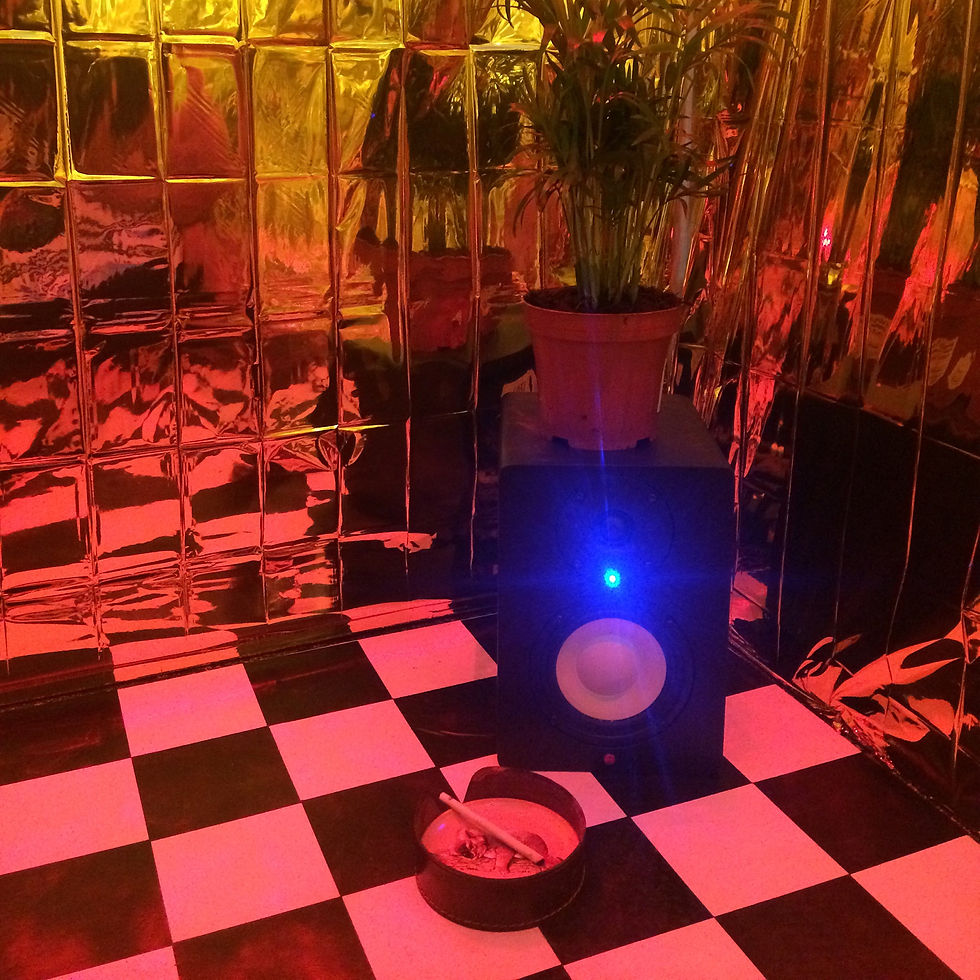
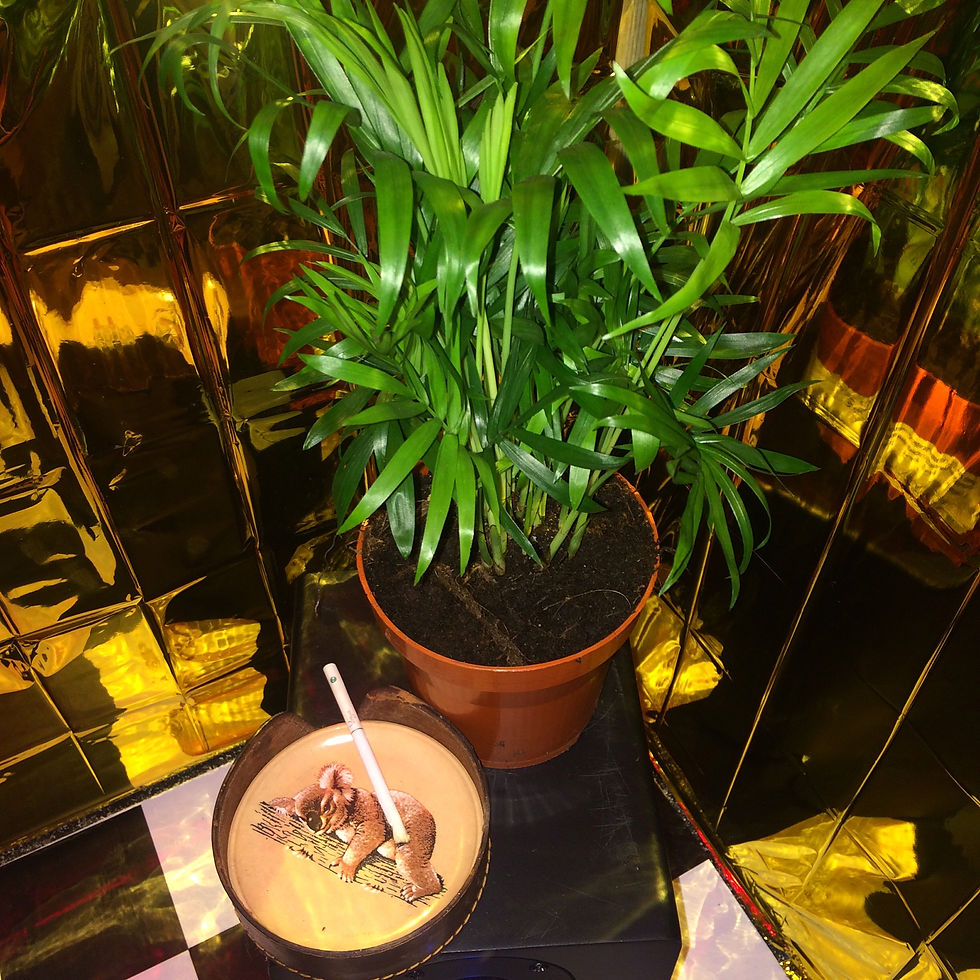
The space is a kind of surrealist alteration, a safehouse, a bunker, and a cathedral , created out of gold safety blankets. This character is mixed with vaporwave as the aesthetic (of cancelled futures) par excellence – a non-space of relaxation and aestheticization submerged in a soundtrack of elevator music spliced with distressed announcements of natural disadters, sirens, and an old tango - notably titled 'The Last Sunday'.


Comments